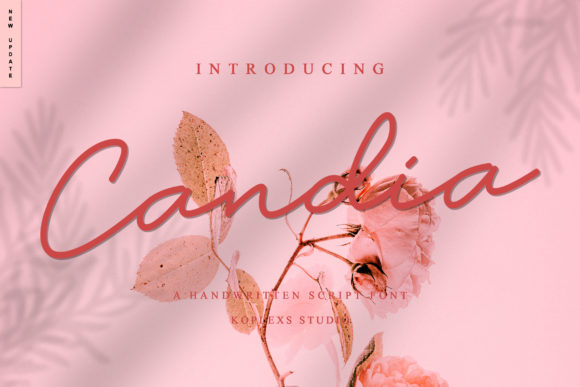
Candia Font: Authentic Typography for Small Business Branding
As a small business owner, I know that every design choice communicates something about your brand. When customers pick up your product or scroll past your Instagram post, the typography speaks before they read a single word. Finding a typeface that balances professionalism with personality is often the hardest part of building a visual identity. This is where Candia becomes an invaluable asset for entrepreneurs, makers, and service providers who need their branding to feel both established and approachable.
Candia is inspired by classic typography but brings a unique, down-to-earth style that sets it apart from standard script fonts. It possesses a casual charm that avoids looking overly formal or stiff, yet it maintains enough structure to remain incredibly versatile. For those of us managing everything from product photography to packaging design, having a font that works across multiple touchpoints without losing its character is essential. It bridges the gap between vintage nostalgia and modern readability, making it perfect for businesses that want to appear trustworthy without sacrificing warmth.
Elevating Product Packaging and Labels
Packaging is often the first physical interaction a customer has with your brand, and legibility is non-negotiable. While many decorative fonts struggle at smaller sizes, Candia’s design prioritizes clarity. If you are selling handmade candles, artisanal foods, or boutique beauty products, this typeface adds a premium feel to labels without becoming illegible on curved surfaces or textured paper.
Consider a bakery or café menu. You need headers that evoke comfort and tradition, but the text must be scannable during a busy lunch rush. Candia serves as an excellent display font for section titles like "Fresh Pastries" or "Signature Blends," guiding the eye naturally while maintaining a friendly tone. Its grounded aesthetic suggests quality and care, reinforcing the value of handmade or locally sourced goods. Unlike trendy handwritten fonts that can look messy when printed, Candia retains its integrity on kraft paper, glossy stickers, and matte boxes alike.
Creating Consistent Digital Marketing Assets
Consistency builds recognition, and recognition builds trust. As entrepreneurs, we often create content in batches for social media, websites, and email newsletters. Using Candia as a primary headline font across these platforms creates a cohesive visual thread that ties your digital presence together. Whether you are designing Pinterest graphics, Instagram carousels, or website banners, this font scales beautifully.
On mobile screens, where space is limited and attention spans are short, Candia’s open forms ensure that your message lands effectively. It works exceptionally well for quotes, announcements, and promotional overlays because it feels personal rather than corporate. For a coaching business or wellness brand, this human touch is critical. It signals empathy and authenticity, helping potential clients feel connected to your services before they even book a consultation. By using this specific typeface consistently in your Stories highlights and ad creatives, you train your audience to recognize your content instantly in a crowded feed.
Practical Font Pairing Strategies
No font exists in isolation, and knowing how to pair Candia is key to a professional layout. Because Candia has such distinct character and classic roots, it performs best when balanced with simpler supporting typefaces. Here are practical pairing strategies for business materials:
- Candia + Clean Sans Serif: Use Candia for logos and major headlines, paired with a geometric sans serif font for body copy. This combination is ideal for modern e-commerce sites and minimalist packaging, ensuring high readability for product descriptions and shipping policies.
- Candia + Traditional Serif: For brands leaning into heritage, luxury, or editorial styles, pair Candia with a classic serif font. This works wonderfully for boutique fashion lookbooks, wedding stationery suites, or high-end restaurant menus where elegance is paramount.
- Candia as an Accent: If your primary brand font is bold and structural, use Candia sparingly for callouts, signatures, or special offers. This prevents visual fatigue while adding a layer of sophistication to sales flyers and thank-you cards.
The goal is hierarchy. Candia should draw attention to what matters most, while your secondary font handles the heavy lifting of information delivery. Testing these combinations in real-world scenarios—like printing a mockup label or viewing a graphic on a phone—is always recommended before committing to a full rebrand.
Versatility Across Business Touchpoints
One of the biggest challenges for small businesses is budget. Investing in design assets that only work for one application is inefficient. Candia shines because of its adaptability across diverse business needs. It is robust enough for a logo mark yet delicate enough for a gift tag. It commands attention on a trade show banner but feels intimate on a personalized note included in an order.
For service providers like photographers, florists, or event planners, this versatility translates directly to client-facing materials. Your invoices, contracts, and proposals can carry the same visual warmth as your portfolio website. This alignment reassures clients that they are working with a detail-oriented professional. Similarly, for online sellers, using Candia on watermarks, listing images, and unboxing videos creates a seamless brand experience that encourages repeat purchases and social sharing.
Understanding Commercial Licensing and Usage
Before integrating any new typeface into your business operations, understanding licensing is a critical step in protecting your brand. Fonts are intellectual property, and using them correctly ensures you avoid legal issues down the road. Always verify the specific license terms for Candia before using it on commercial projects.
Different licenses cover different uses. A desktop license might cover your business cards and packaging design, but you may need a separate webfont license for your Shopify store or WordPress site. If you plan to use the font in editable templates for sale, merchandise for resale, or digital downloads, specialized commercial licenses are usually required. Taking the time to secure the appropriate rights demonstrates professional integrity and safeguards your business against future complications. Treat font licensing with the same seriousness as sourcing raw materials or registering your business name; it is a foundational element of sustainable brand building.
Making Typography Work for Your Growth
Ultimately, the right font does more than decorate; it functions as a silent ambassador for your business. Candia offers small business owners a rare combination of classic appeal and practical utility. It helps establish a visual identity that feels curated and intentional, distinguishing your brand from competitors using generic defaults. By focusing on readability, consistency, and strategic pairing, you can leverage this typeface to build stronger connections with your audience.
Start by testing Candia in low-stakes environments, such as social media stories or internal documents, to gauge how it resonates with your specific niche. Gather feedback from loyal customers or peers to see if the mood aligns with your brand values. When you find that sweet spot where aesthetics meet function, you will have a powerful tool that supports your business growth for years to come. Good typography is an investment in perception, and with Candia, that investment pays dividends in professionalism and trust.