Magical Feather Font Review for Web Design
I was recently deep in the wireframing phase for a boutique wellness coaching website when I hit a familiar design wall. The layout was structurally sound, the color palette was soothing, and the user flow was logical, but the hero section felt sterile. It lacked that intangible quality of personal connection that is so vital for service-based businesses. I needed a typeface that could bridge the gap between professional credibility and human warmth without looking like a generic template. That is when I decided to test Magical Feather in a live responsive environment.
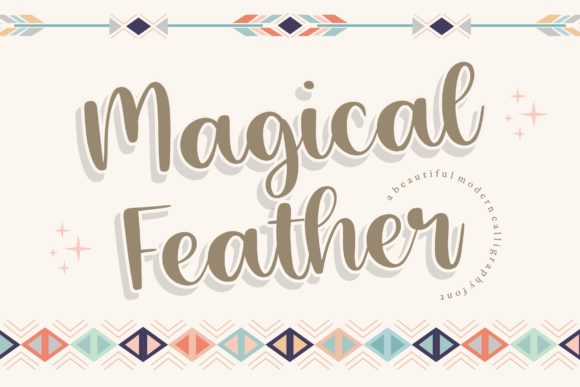
As web designers, we often hesitate to bring script fonts into digital layouts because of past experiences with poor rendering or accessibility nightmares. However, Magical Feather is an exquisite handwritten font that challenges those reservations. Masterfully designed to become a true favorite, it maintains classy calligraphic influences while feeling surprisingly contemporary and fresh. After testing it across multiple breakpoints and devices, I found it to be a versatile asset for digital branding, provided it is used with intention and technical awareness.
Elevating Hero Sections and Digital First Impressions
The primary strength of Magical Feather lies in its ability to create an immediate emotional anchor. In my test case for the wellness brand, I applied the font to the main H1 headline over a soft-focus lifestyle image. The result was transformative. Unlike rigid display fonts that can sometimes feel imposing, this script font invited the user in. The letterforms have a natural rhythm that mimics genuine handwriting, which subconsciously signals authenticity to visitors scanning the page.
For landing pages and portfolio sites, this typeface excels as a display font for short, impactful phrases. It works beautifully for:
- Hero Headlines: Short value propositions or welcoming statements that need to stand out against background imagery.
- Section Dividers: Decorative titles that break up long-form content on sales pages or blog posts.
- Signature Elements: Digital sign-offs on about pages or contact forms to reinforce personal branding.
- Promotional Banners: Limited-time offers or seasonal announcements where a handwritten touch implies exclusivity.
What makes Magical Feather particularly effective in these contexts is its balance. Many script fonts lean too far into vintage ornamentation or messy grunge aesthetics, which can clash with modern web design trends. This typeface feels clean and editorial. When paired with high-quality photography and ample whitespace, it elevates the perceived value of the digital product or service being offered.
Responsive Behavior and Mobile Readability
A font that looks stunning on a 27-inch monitor can quickly become illegible on a smartphone screen. During my review, I paid close attention to how Magical Feather performed during responsive resizing. Script fonts are notoriously tricky here because intricate ligatures and swashes can collapse at smaller sizes, creating visual noise rather than elegance.
In practice, Magical Feather holds up well on mobile, but it requires deliberate CSS management. On desktop, the font shines at larger sizes (4rem and above), allowing the delicate strokes and connections to breathe. As the viewport narrows, I found it necessary to adjust the line-height and letter-spacing slightly to prevent characters from touching. The font does not automatically optimize for tiny screens, so you cannot simply rely on default browser scaling.
For UI designers, this means establishing clear typographic rules in your style guide. I recommend using Magical Feather strictly for decorative emphasis on mobile rather than functional navigation. While it creates a beautiful header, it should never be used for menu items, form labels, or button text. Those interactive elements require the instant recognition of a clean sans serif font to ensure usability and accessibility compliance. Reserve Magical Feather for moments where the user has time to pause and appreciate the aesthetic, rather than moments where they need to make rapid decisions.
Strategic Font Pairing for Brand Identity
No font exists in a vacuum, and Magical Feather demands a supportive partner to maintain a cohesive brand identity. Because it carries such strong personality and visual weight, pairing it with another decorative font usually leads to clutter. The most successful layouts I tested utilized a high-contrast approach.
For body copy, captions, and secondary headings, a geometric sans serif font provides the perfect counterbalance. The structured neutrality of a font like Montserrat, Inter, or Lato allows the organic curves of Magical Feather to pop without competing for attention. This combination creates a sophisticated editorial look that feels both premium and approachable. Alternatively, for brands aiming for a more traditional or literary vibe, a simple serif font can work well for subheadings, grounding the whimsy of the script with classical stability.
This strategic pairing is essential for maintaining visual hierarchy. If you use Magical Feather for your H1, ensure your H2 and H3 tags utilize the supporting typeface. This guides the user’s eye through the content logically. Overusing the script font dilutes its impact and fatigues the reader. Use it as the spice, not the main course. When applied sparingly, it acts as a powerful branding cue that reinforces recognition across the website, social media graphics, and digital downloads.
Technical Considerations and Licensing for Web Projects
Before integrating Magical Feather into a client project or your own digital store, there are practical technical factors to verify. As a premium font within the Script Amp category, it offers features that go beyond basic alphabet sets, but these must be implemented correctly for web performance.
First, check the available file formats. For web use, WOFF2 is the industry standard for fast loading times. Ensure the license you purchase includes webfont embedding rights, as desktop licenses typically do not cover server-hosted usage. If you are designing templates for sale or creating digital products for others, verify whether the commercial font licensing extends to end-products or if an extended license is required.
Additionally, explore the included alternates and ligatures. Magical Feather includes stylistic variations that can add unique flair to logo design or custom headers. However, be cautious when using complex OpenType features in web environments. Not all browsers render advanced ligatures consistently, and excessive alternate swapping can increase file size. Test your specific configuration across Chrome, Safari, and Firefox to ensure the visual experience remains consistent for all users.
Finally, consider accessibility. While Magical Feather is legible for a script, it may not meet WCAG standards for users with dyslexia or visual impairments when used at smaller sizes. Always provide a fallback system font stack in your CSS, and ensure that any critical information rendered in this font is also available in accessible text formats elsewhere on the page. By treating Magical Feather as a specialized design tool rather than a utility font, you can leverage its beauty while maintaining a professional, inclusive web experience.
Where Magical Feather Fits in Modern Web Design
After thorough testing, it is clear that Magical Feather is more than just a pretty face; it is a functional design asset for creators who understand typography. It solves the problem of digital sterility by injecting handcrafted warmth into responsive layouts. Whether you are designing a course sales page, a creative portfolio, or a boutique e-commerce site, this typeface offers a distinctive voice that helps brands stand out in a crowded digital landscape.
It is not suitable for dense dashboards, technical documentation, or interface-heavy applications. But for storytelling, emotional connection, and brand differentiation, it performs exceptionally well. Just remember to respect the medium: prioritize readability, pair it wisely, and let its contemporary calligraphy enhance your design rather than define it entirely. When used with this level of care, Magical Feather truly lives up to its name, adding a touch of digital magic that converts casual visitors into engaged audiences.